
What's AI by Louis-François Bouchard
LLM Architecture, AI Agents, and RAG with a focus on engineering trade-offs and practical implementation.
Nutrition Label
Louis-François Bouchard delivers high-signal educational content focused on the engineering realities of building LLM applications. He excels at demystifying hype by contrasting theoretical AI capabilities with practical architectural trade-offs learned from real-world client projects. Viewers can expect clear mental models for complex topics like agents versus workflows, often supplemented by academic context.
Strengths
- +
- +
- +
Notes
- !He frequently promotes his own 'Towards AI' courses and books; check descriptions for these commercial links.
- !Content targets engineers and architects making system design choices rather than casual users looking for tool reviews.
Why this score
“We have a new course called Master AI for Work available for you right now on our site.”
Clearly discloses the self-promotional nature of the content (his own course) within the educational context.
Open receiptTrust Breakdown
Mixed / General Lens: Scored with the default trust weighting.
Confidence pending. Based on 10 long-form videos.
These six Trust Core outputs drive the public creator rating. Communication affects discovery ranking separately. Methodology →
Recent Videos

From Hype to Useful AI Agents: The 2023–2026 Timeline
Are open models catching up?
How DeepSeek V4.1 Flash Actually Works: A Deep Dive
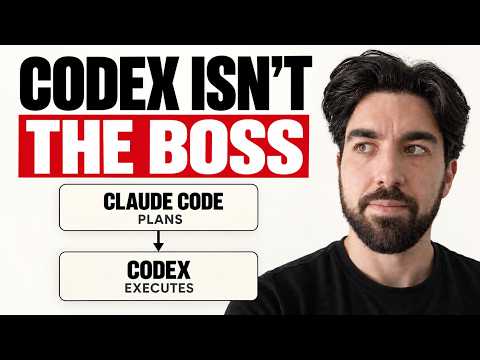
Why I Stopped Letting Codex Lead My Long Tasks

AI Engineer Skills You Need to Get Hired in 2026

My AI Coding Stack as a CTO

AI Engineer Mentorship: Projects, Architecture, and Career Help

How to Learn AI Engineering in 2026

How to Automate a Content Workflow With AI Agents
Graph Engineering vs Loop Engineering

My Biggest Career Gamble Yet (Towards AI)

Microsoft Says MAI-Thinking-1 Was Not Distilled From Another LLM

The hidden costs of cheap AI APIs
Loop Engineering Explained
How AI Image Generation Actually Works (There Are Only 2 Ways)
Shareable card
A compact ReReview card and short URL for sharing this trust score.
