
Thomas Frank Explains
Notion, productivity systems, and workflow automation with a focus on advanced formulas and technical implementation.
Nutrition Label
Thomas Frank Explains delivers high-fidelity tutorials that bridge the gap between productivity philosophy and technical implementation, specifically within the Notion ecosystem. Viewers can expect deep dives into formulas, API integrations, and complex workflow builds, all presented with exceptional clarity. While the content is highly practical, it occasionally features high-production satire or opinion pieces that deviate from standard tutorials.
Strengths
- +
- +
- +
Notes
- !Occasional high-production satire videos may mimic genuine tutorials; verify features exist before trying them.
- !Workflow advice is often based on personal anecdotes rather than empirical productivity data.
Why this score
“Re-locking the Tasks database”
Shows domain expertise by addressing data integrity and accidental edits, a common issue for power users.
Open receiptTrust Breakdown
Mixed / General Lens: Scored with the default trust weighting.
Confidence pending. Based on 10 long-form videos.
These six Trust Core outputs drive the public creator rating. Communication affects discovery ranking separately. Methodology →
Recent Videos
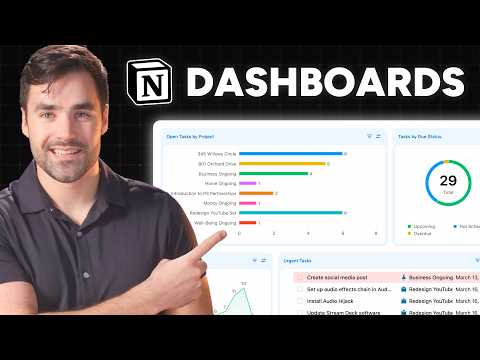
Notion's new Dashboards: Everything you need to know
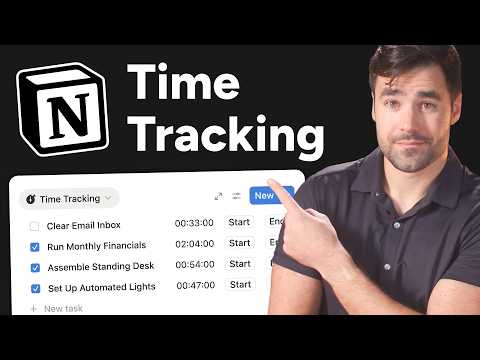
I thought time tracking in Notion was impossible until I figured this out

I can't believe how well this Notion daily planner helps me focus
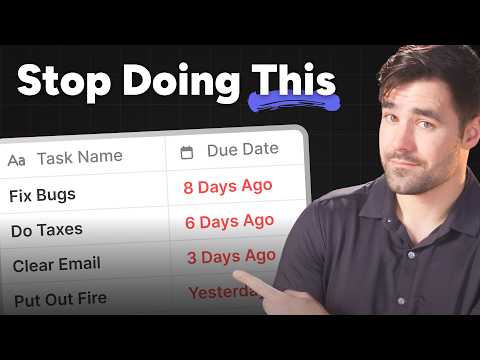
This is why your task manager overwhelms you.
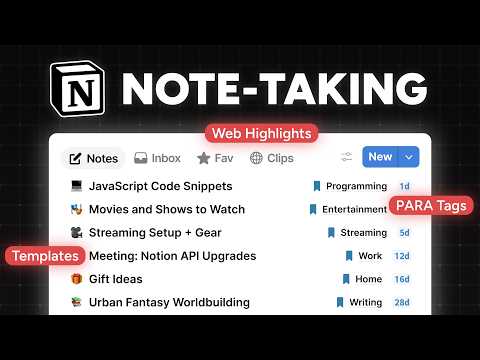
Notion feels incomplete without this note-taking setup
Notion just changed how databases work
Notion Finally Works Offline
Notion just added one of Excel's best features

Notion Formulas for Beginners: The Complete Course
Notion just made a huge change to databases
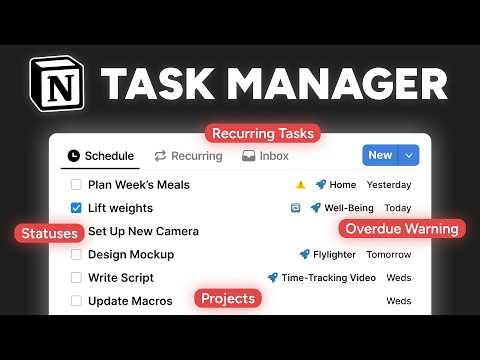
The Notion task manager you'll actually use (full build)
30+ new Notion features you should know about
Notion FINALLY Made Recurring Tasks Work.
I didn't think Notion would ever fix this
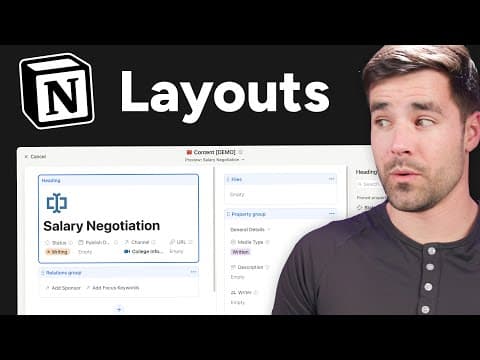
Layouts will make your Notion pages 10x better
Shareable card
A compact ReReview card and short URL for sharing this trust score.
