MIT CSAIL
Robotics, generative models, and coding tools with a focus on primary academic research and novel prototypes.
Nutrition Label
This channel serves as a direct pipeline to primary academic research, featuring world-class experts discussing their own inventions without hype or clickbait. Viewers get high-integrity showcases of novel prototypes and conceptual interviews rather than third-party commentary. However, the videos often act as accessible summaries or 'press releases' for complex papers, meaning the deep mathematical proofs and code implementations are usually referenced rather than shown on screen.
Strengths
- +
- +
- +
Notes
- !Research demos show actual prototypes in action, while professor interviews tend to be high-level conceptual discussions.
- !Descriptions reliably link to the full academic papers for the mathematical proofs and code omitted from the video.
Why this score
“Sybil is a deep learning model that accurately predicts a patient’s risk of lung cancer up to six years in advance”
The content is presented by the primary researchers (MIT CSAIL/MGH) using precise domain terminology regarding LDCT scans and risk prediction windows.
Open receiptTrust Breakdown
Mixed / General Lens: Scored with the default trust weighting.
Confidence pending. Based on 9 long-form videos.
These six Trust Core outputs drive the public creator rating. Communication affects discovery ranking separately. Methodology →
Recent Videos
Underwater Robotics: Physical AI's Toughest Test
So... What Exactly is Physical AI?

A Tiny Gap in Chips Leaves Data At Risk

Inside AI's Hidden Supply Chain

32(ish) Questions with an MIT Robotics Researcher (and Actor!)

(Many) of us want home robots. What's the holdup?
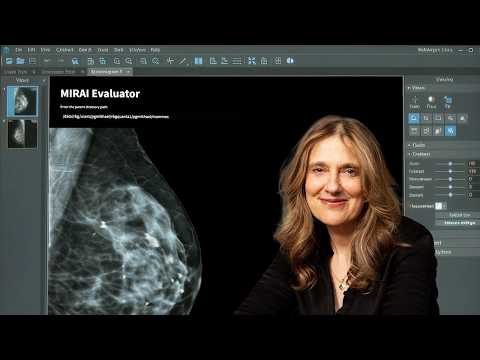
This AI Model Predicts Breast Cancer Years Before Humans
MIT CSAIL Explains: Recursive Language Models
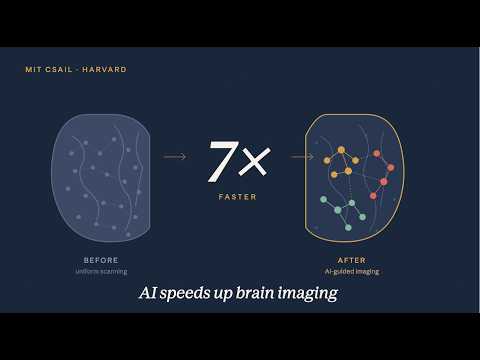
The Microscope That Learns What to Look At

The MIT paper that showed space can be more powerful than time in computers

Saman Amarasinghe on Compiler 2.0
Shafi Goldwasser Provides 'A Cryptographic Perspective on Trustworthy AI'
This is MIT CSAIL: 2026

MIT Researcher Talks AI & Environmental Conservation
MIT Prof. Explains AI-Assisted Programming: Part 2
Shareable card
A compact ReReview card and short URL for sharing this trust score.
